
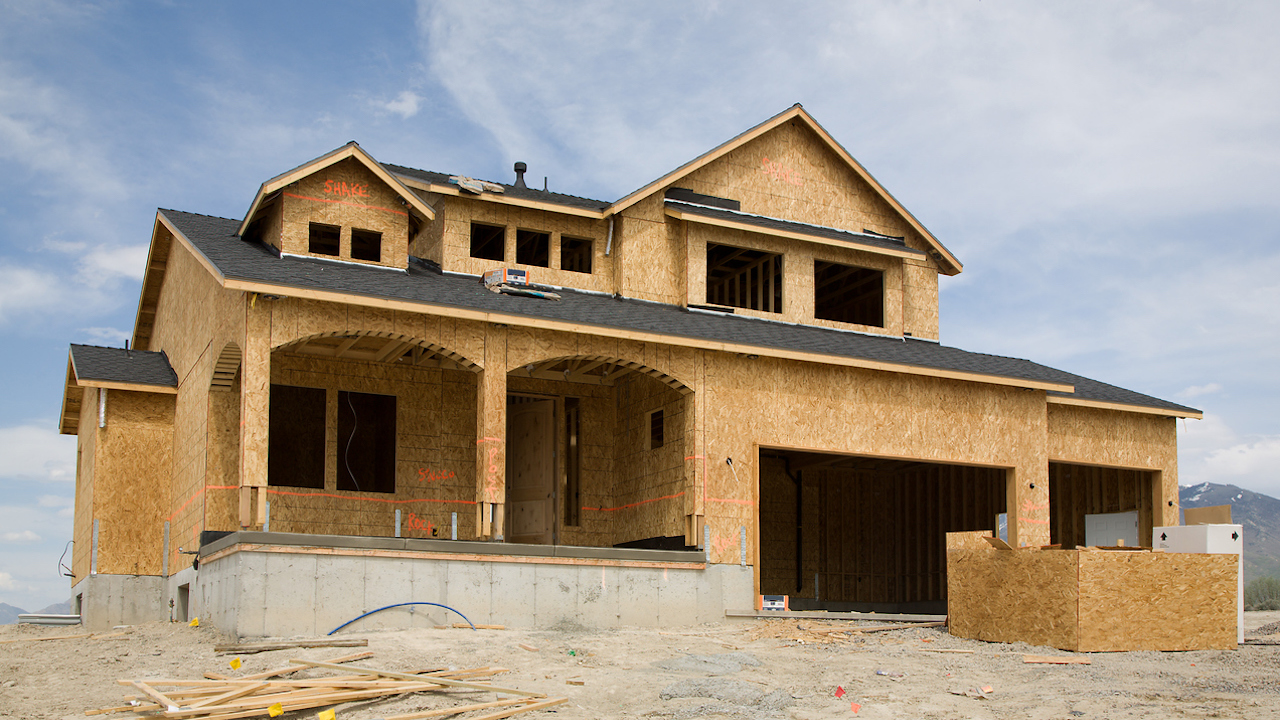
Home Additions & Expansions: Everything East Bay Homeowners Need to Know
Running out of space in your Albany, Berkeley, or Oakland home? You’re not alone. After 30+ years of building home additions across the East Bay, we’ve seen this pattern repeat: families love their neighborhood, their schools, and their community—but they’ve outgrown their house.
The good news? Adding on is almost always smarter than moving, especially in desirable East Bay neighborhoods where finding a bigger home means paying significantly more (and possibly compromising on location).
The challenge? Home additions are complex projects that require careful planning, realistic budgeting, and experienced contractors who understand older East Bay homes. Get it right, and you’ll have the extra space you need without leaving the neighborhood you love. Get it wrong, and you’ll face cost overruns, permit headaches, and an addition that never quite feels like it belongs.
This guide covers everything you need to know about home additions and expansions in Albany, Berkeley, Oakland, and the greater East Bay—from initial planning through final walkthrough.
Why Home Additions Make Sense in the East Bay
Before diving into specifics, let’s address the big question: Should you add on or move?
When Adding On Makes More Sense Than Moving
Financial reasons:
- Avoid Bay Area moving costs: Moving within the East Bay easily costs $20,000-$40,000+ (realtor fees, closing costs, moving expenses, immediate repairs on new home)
- No property tax reset: Prop 13 keeps your property taxes low. Moving resets your tax basis to current market value (potentially thousands more per year)
- Preserve mortgage rate: If you locked in a low rate, moving means a new mortgage at higher rates
- Controlled costs: An addition’s cost is predictable. Buying a bigger house means competing in a hot market
Lifestyle reasons:
- Stay in your neighborhood: Keep your kids in their schools, maintain friendships, stay near familiar amenities
- Keep your lot: Your backyard, your trees, your garden—you’ve invested years into your property
- Avoid compromise: A bigger house elsewhere might mean longer commute, different neighborhood character, or outdated features
- Customize exactly what you need: Build precisely the space you want rather than settling for what’s on the market
Real example: We recently worked with a Berkeley family whose home was worth $1.2M. To get the extra space they needed, they’d have to spend $1.6M+ and move to a different school district. Instead, they added a 600 sq ft second-story addition for $240,000, stayed in their neighborhood, and added $300,000+ to their home’s value.
When Moving Might Be the Better Choice
Be honest about these factors:
- Your home’s layout is fundamentally flawed (additions won’t fix poor flow or unusable spaces)
- Lot constraints make additions impractical (setbacks, easements, neighbor considerations)
- Foundation or structural issues are severe (might cost more to fix than the addition itself)
- You need significantly more space (adding 1,500+ sq ft gets expensive fast—sometimes buying bigger makes sense)
- Your neighborhood has limited upside (hard truth: not every area supports high-value additions)
Our advice: Talk to a contractor before making assumptions. We’ve solved “impossible” space problems hundreds of times. What looks like a dealbreaker might have a creative solution.
Types of Home Additions: Understanding Your Options
Not all additions are created equal. Here are the most common types we build in Albany, Berkeley, Oakland, and throughout the East Bay.
Second-Story Additions
What it is: Adding an entire second floor above your existing single-story home.
Best for:
- Maxed-out lot coverage (can’t expand outward)
- Homes with strong foundations that can support additional weight
- Properties in Albany, Berkeley, and Oakland where lot sizes are limited
- Homeowners who want to preserve yard space
Typical scope:
- 800-1,500+ square feet of new living space
- Usually includes primary suite, additional bedrooms, bathrooms
- New stairs connecting first and second floors
- Roof demolition and reconstruction
- Often includes first-floor remodel to integrate old and new
Cost range: $300-$500+ per square foot (higher than other addition types due to complexity)
Timeline: 8-14 months including design and permits
Challenges:
- Requires temporary relocation during construction (living through second-story addition is nearly impossible)
- Foundation may need reinforcement (common in pre-1970s East Bay homes)
- Electrical and plumbing systems often need upgrading to support additional load
- Neighbors may have concerns about blocking views or sunlight
Real example: We completed a second-story addition in Albany that added 1,100 sq ft (three bedrooms, two bathrooms) to a 1,200 sq ft post-war home. Total cost: $440,000. The home’s value increased from $950,000 to $1.4M+.
Room Additions (Bump-Outs and Single-Story Additions)
What it is: Extending your home’s footprint outward—anywhere from 100 to 800+ square feet.
Best for:
- Adding one or two rooms without full second story
- Homes with available lot coverage
- Homeowners who want to stay in place during construction
- More budget-conscious than second-story additions
Common room addition projects:
- Primary bedroom suite additions (most requested)
- Kitchen expansions
- Family room or great room additions
- In-law suite additions
- Home office or studio spaces
- Sunrooms and bonus rooms
Cost range: $200-$400+ per square foot
Timeline: 4-8 months depending on size and complexity
Advantages over second-story:
- Less expensive per square foot
- Less disruptive (can often live in home during construction)
- No foundation concerns about supporting second floor
- Faster permitting and construction
Considerations:
- Lot coverage limits (every East Bay city has maximums)
- Setback requirements (how close you can build to property lines)
- Impact on yard space and landscaping
- Matching existing rooflines and architecture
Popular in: Walnut Creek, Lafayette, Orinda, Pleasanton, San Ramon where lots are typically larger than Albany or Berkeley.
Garage Conversions
What it is: Converting existing garage space into livable area—bedroom, home office, family room, or in-law suite.
Best for:
- Homeowners who don’t need garage parking (or have space to rebuild garage elsewhere)
- Quick, cost-effective way to add living space
- Converting to ADU or rental unit
- First-floor bedroom for aging parents
Typical scope:
- 300-600 square feet of new space
- Add insulation, heating/cooling, electrical, lighting
- New flooring, drywall, windows
- Bathroom addition (if converting to full living suite)
Cost range: $100-$200+ per square foot (less expensive because foundation and roof already exist)
Timeline: 2-4 months
Permitting note: Converting a garage reduces parking, which can be an issue in dense neighborhoods like Albany or Berkeley. Some cities require replacement parking or variances.
Bump-Out Additions (Cantilevers and Small Extensions)
What it is: Extending one room by 3-8 feet—just enough to make a meaningful difference.
Best for:
- Small but impactful space improvements
- Kitchens that need a few extra feet for island or dining space
- Bathrooms that are cramped (bumping out 4 feet can fit a double vanity)
- Budget-conscious homeowners
Cost range: $250-$450+ per square foot (per-square-foot cost is higher due to fixed costs spread over small area)
Timeline: 2-4 months
Advantages:
- Minimal impact on yard
- May avoid some setback issues (depending on existing conditions)
- Can often stay in home during construction
- Smaller budget than full addition
Real example: We bumped out a Berkeley kitchen by 6 feet, which allowed room for a proper island and breakfast nook. Cost: $65,000. Transformed how the family used their kitchen.
In-Law Suite Additions
What it is: A self-contained living space attached to main house—bedroom, bathroom, small kitchenette.
Best for:
- Aging parents moving in
- Adult children who need separate space
- Live-in caregivers
- Long-term guests
Typical features:
- Private bedroom (200-300 sq ft)
- Full bathroom
- Kitchenette or wet bar
- Separate entrance (ideally)
- Small living area
Cost range: $150,000-$300,000+ depending on size and finishes
Timeline: 5-9 months
ADU vs. in-law suite: An ADU is a fully separate structure; an in-law suite is attached to the main home. ADUs offer more rental income potential and privacy, but in-law suites are often less expensive and easier to permit.
Planning Your Home Addition: Critical First Steps
Before you call contractors or start sketching designs, work through these foundational questions.
Step 1: Define Your Actual Needs (Not Just Wants)
Be specific about why you need more space:
- Growing family (how many bedrooms do you really need?)
- Work-from-home setup (dedicated office vs. flexible space?)
- Aging parents moving in (accessibility requirements?)
- Hobby or storage needs (workshop, craft room, organized storage?)
Write down your must-haves vs. nice-to-haves. When budget constraints arise (they always do), you’ll need to prioritize.
Common mistake: Homeowners say “we need more space” without defining what that space will actually do. A 300 sq ft addition designed perfectly for your needs beats a 500 sq ft addition that doesn’t solve your problems.
Step 2: Understand Your Property Constraints
Before falling in love with addition plans, verify:
Lot coverage limits
Every East Bay city limits how much of your lot can be covered by structures:
- Albany: Typically 40-50% lot coverage max
- Berkeley: Varies by zone, usually 35-45%
- Oakland: 40-60% depending on lot size
- Check your city’s planning department for specifics
Setbacks
Minimum distances required from property lines:
- Front setback: Usually 15-25 feet
- Side setbacks: Typically 4-5 feet
- Rear setback: Often 15-20 feet
Height restrictions
Maximum building heights vary by zone and neighborhood. Some Albany and Berkeley areas limit heights to protect views and neighborhood character.
Easements
Utility or access easements may restrict where you can build.
HOA rules
If you’re in a planned community (common in San Ramon, Danville, Pleasanton), review architectural guidelines.
Septic system considerations
Rare in most East Bay cities, but if you’re on septic, additions may trigger upgrades.
Get a plot plan: Your city’s planning department or a surveyor can provide a plot plan showing your property boundaries, existing structures, and buildable area. Essential before designing your addition.
Step 3: Set a Realistic Budget
Don’t just budget for construction costs. Factor in everything:
Design and engineering fees:
- Architect or designer: 8-15% of construction cost
- Structural engineer: $2,000-$8,000+ depending on complexity
- Energy calculations (required for permits): $500-$1,500
Permit fees:
- Building permits: 1-2% of construction value
- Plan check fees: Varies by city
- Impact fees: Some cities charge for water, sewer, or school impacts
Construction costs:
- Second-story addition: $300-$500+/sq ft
- Room addition: $200-$400+/sq ft
- Garage conversion: $100-$200+/sq ft
Unexpected costs:
- Foundation work (common in older East Bay homes): $10,000-$50,000+
- Electrical panel upgrade (often required): $3,000-$8,000
- Plumbing main line replacement: $5,000-$15,000
- Asbestos abatement: $2,000-$10,000+
- Lead remediation: $2,000-$8,000
Contingency fund:
- Budget 15-20% contingency for older homes
- Pre-1970s East Bay homes: surprises are guaranteed
Financing considerations:
- Home equity line of credit (HELOC)
- Cash-out refinance
- Construction loan
- Personal savings
Real numbers example:
$300,000 room addition budget breakdown:
- Design/engineering: $30,000
- Permits/fees: $8,000
- Construction: $225,000
- Contingency: $37,000
Step 4: Consider Timing and Disruption
How long will your addition take?
- Design phase: 6-12 weeks
- Permit approval: 6-16 weeks (varies dramatically by city)
- Construction: 3-12 months depending on scope
Can you live through construction?
- Room additions: Usually manageable
- Kitchen additions: You’ll need temporary kitchen setup
- Second-story additions: Temporary relocation almost always necessary
- Bathroom additions: Have backup bathroom plan
Seasonal considerations:
- Winter rain delays exterior work
- Summer is peak construction season (contractors busier, but better weather)
- Starting design in fall positions you for spring/summer construction
Real talk: If your contractor says “4-month timeline” for a complex addition, they’re either very optimistic or haven’t done many East Bay projects. Build in buffer time.
Designing Your Home Addition: Making It Look Like It Belongs
The difference between a great addition and an obvious add-on comes down to design.
Match Your Home’s Architecture
This is non-negotiable in most East Bay neighborhoods. Your addition should look like it’s always been there.
For Craftsman homes (common in Berkeley, Albany, Piedmont):
- Match existing siding and trim details
- Replicate window styles and proportions
- Continue roofline angles and overhangs
- Use compatible exterior colors
For mid-century modern homes (Oakland hills, Walnut Creek):
- Clean lines and horizontal emphasis
- Large windows and glass doors
- Flat or low-slope roofs
- Compatible materials (wood, stucco, board-and-batten)
For Victorian homes (Oakland, Alameda):
- Respect ornate details and proportions
- Match existing trim work and brackets
- Use historically appropriate windows
- Maintain facade symmetry where possible
For ranch-style homes (common throughout East Bay):
- Single-story profile (if adding on same level)
- Low-pitched roofs
- Simple, horizontal lines
- Consistent siding and roofing materials
Hire an architect or designer familiar with East Bay architecture. They’ll understand what planning departments expect and what makes additions feel integrated.
Design for Flow and Function
Common design mistakes we see:
❌ Long hallways eating up square footage – Hallways are expensive dead space
❌ New rooms disconnected from existing flow – Additions should enhance circulation
❌ Windows not aligned with existing – Looks sloppy from exterior
❌ Ceiling heights that don’t match – Creates awkward transitions
❌ New spaces that don’t relate to existing rooms – Think about adjacencies
Smart design principles:
✅ Plan circulation carefully – How do you move from old space to new?
✅ Match or complement existing finishes – Flooring, trim, doors should coordinate
✅ Consider sightlines – What do you see from each room?
✅ Maximize natural light – Windows, skylights, glass doors
✅ Think about outdoor connections – Additions are great opportunities for new decks or patios
Navigate East Bay Design Review (If Required)
Some neighborhoods require design review:
- Many Berkeley neighborhoods (especially hillside areas)
- Piedmont (has strict design standards)
- Some Albany areas
- Historic districts in Oakland
- Many HOAs in newer developments
Design review boards evaluate:
- Architectural compatibility with neighborhood
- Impact on neighbors (privacy, views, sunlight)
- Landscaping and outdoor spaces
- Material quality and colors
Timeline impact: Design review can add 2-4 months to your project. Budget time accordingly.
Work with experienced local architects. They know what design review boards expect and can guide you toward approvable designs.
Permits and Approvals: Navigating East Bay Building Departments
Every home addition requires building permits. No exceptions. Here’s what to expect.
What Permits You’ll Need
Building permit (always required):
- Structural plans
- Foundation details
- Framing plans
- Electrical plans
- Plumbing plans
- Mechanical (HVAC) plans
- Energy compliance calculations
Additional permits may include:
- Grading permit (if significant site work)
- Demolition permit (if removing structures)
- Encroachment permit (if work affects public right-of-way)
- Tree removal permit (many East Bay cities protect certain trees)
Permit Timelines by East Bay City
Based on our 30+ years of experience:
Albany:
- Standard additions: 6-10 weeks
- Second-story additions: 8-12 weeks
- Complex projects: 10-16 weeks
Berkeley:
- Standard additions: 8-14 weeks
- Hillside or design review areas: 12-20+ weeks
- Berkeley is slower than most East Bay cities—plan accordingly
Oakland:
- Standard additions: 6-12 weeks
- Hillside areas (more scrutiny): 10-16 weeks
- Fire zones require additional review: add 2-4 weeks
Walnut Creek:
- Standard additions: 6-10 weeks
- Generally efficient permitting process
Lafayette, Orinda, Moraga:
- Typically 6-12 weeks
- Smaller planning departments can be faster or slower depending on workload
Permit costs:
Expect to pay 1-2% of total construction value in permit fees, plus plan check fees. A $300,000 addition typically costs $5,000-$8,000 in permits and fees.
Who pulls permits?
Your general contractor should handle all permitting. Never work with a contractor who suggests skipping permits or “knows someone” at the city. Professional contractors always permit work properly.
Required Inspections During Construction
Expect these inspections:
- Foundation inspection (before pouring concrete)
- Framing inspection (after framing complete, before insulation)
- Rough electrical inspection
- Rough plumbing inspection
- Rough mechanical (HVAC) inspection
- Insulation inspection
- Final building inspection
- Final electrical, plumbing, mechanical inspections
Your contractor schedules all inspections. Failed inspections delay progress and cost money—another reason to hire experienced East Bay contractors who know local codes.
Cost Breakdown: What You’ll Actually Pay for Your Addition
Let’s talk real numbers. Here’s what home additions actually cost in the East Bay in 2025.
Construction Costs Per Square Foot
Second-story additions:
- Basic: $300-$400/sq ft
- Mid-range: $400-$500/sq ft
- High-end: $500-$700+/sq ft
Room additions (single-story):
- Basic: $200-$300/sq ft
- Mid-range: $300-$400/sq ft
- High-end: $400-$550+/sq ft
Garage conversions:
- Basic: $100-$150/sq ft
- Mid-range: $150-$200/sq ft
- High-end: $200-$300+/sq ft
Factors that increase costs:
- Hillside or difficult access
- Complex rooflines
- High-end finishes
- Significant foundation work
- Complete electrical/plumbing system upgrades
- Structural reinforcement required
- Asbestos or lead abatement
Factors that reduce costs:
- Simple, rectangular footprint
- Standard finishes
- Good existing foundation
- Easy site access
- Modern electrical and plumbing systems
Sample Addition Project Costs
400 sq ft primary bedroom suite addition:
- Construction: $120,000-$160,000
- Design/engineering: $12,000-$18,000
- Permits: $3,000-$5,000
- Total: $135,000-$183,000
800 sq ft second-story addition (2 bedrooms, 1 bath):
- Construction: $240,000-$400,000
- Design/engineering: $25,000-$40,000
- Permits: $8,000-$12,000
- Foundation work: $15,000-$30,000
- Total: $288,000-$482,000
600 sq ft family room addition:
- Construction: $120,000-$180,000
- Design/engineering: $12,000-$18,000
- Permits: $3,000-$6,000
- Total: $135,000-$204,000
300 sq ft bump-out (kitchen expansion):
- Construction: $75,000-$120,000
- Design/engineering: $8,000-$12,000
- Permits: $2,000-$4,000
- Total: $85,000-$136,000
These are ballpark numbers. Your actual costs depend on your specific property, desired finishes, and any surprises during construction.
Hidden Costs to Budget For
Don’t forget:
- Temporary living expenses (if relocating during construction): $3,000-$8,000/month
- Storage unit for furniture: $200-$400/month
- Landscaping restoration: $5,000-$20,000+
- New furniture for added space: $5,000-$25,000+
- Window treatments: $1,000-$5,000+
- HVAC system upgrade or ductwork: $8,000-$25,000
- Driveway or walkway repairs: $3,000-$15,000
Foundation Considerations for East Bay Additions
This is where many addition projects get complicated. Most East Bay homes were built before 1980, and many foundations weren’t designed to support additional floors or significant weight.
Common Foundation Issues in Older East Bay Homes
Pier and post foundations:
Many older Berkeley, Albany, and Oakland homes sit on raised foundations with piers. These may need:
- Additional piers or posts
- Upgraded footings
- Seismic reinforcement (bolting and bracing)
- Cripple wall bracing
Shallow concrete foundations:
Post-war homes often have minimal foundations that need reinforcement before adding significant weight.
Settling or movement:
Older foundations may have settled unevenly. Additions can exacerbate problems if not addressed.
Seismic concerns:
California building codes require seismic reinforcement when doing major additions. This often means upgrading the entire home’s foundation, not just the addition area.
Foundation Solutions for Second-Story Additions
If adding a second story, expect:
Foundation reinforcement:
- Thickening existing foundation walls
- Adding deeper footings
- Installing steel reinforcement
- Underpinning in some cases
Seismic retrofitting:
- Foundation anchor bolts
- Cripple wall bracing
- Shear wall installation
- Holddown hardware at critical connections
Cost range: $15,000-$50,000+ depending on existing conditions and extent of reinforcement needed.
Why this matters: Skipping proper foundation work is dangerous and will fail inspection. Work only with contractors who address foundation concerns honestly.
Mechanical Systems: HVAC, Electrical, and Plumbing
Home additions stress your existing systems. Here’s what typically needs upgrading.
HVAC (Heating and Cooling)
Your existing furnace may not handle additional square footage.
Options:
- Extend existing system (if capacity allows and ductwork is accessible)
- Add mini-split system for addition only (efficient, no ductwork needed)
- Upgrade entire HVAC system to handle new load
- Install separate system for addition
Cost range:
- Ductwork extension: $3,000-$8,000
- Mini-split system: $3,000-$8,000 per zone
- New furnace and A/C: $8,000-$18,000+
Energy efficiency: New additions must meet current Title 24 energy requirements. This often means better insulation, high-efficiency windows, and improved HVAC efficiency.
Electrical System Upgrades
Many older East Bay homes have 100-amp electrical service. Adding significant square footage often requires upgrading to 200 amps.
Electrical upgrades may include:
- New 200-amp main panel: $3,000-$6,000
- Rewiring portions of existing home: $2,000-$10,000+
- GFCI and AFCI protection (code requirement): included in rough electrical
- EV charger pre-wire (smart to do during addition): $500-$1,500
Code requirements:
Modern electrical codes are strict. Adding an addition often triggers requirements to bring parts of the existing home up to current code.
Plumbing Considerations
If adding bathrooms or kitchens:
Drain and vent lines:
Must properly connect to existing drain system and vent through roof.
Water supply:
Older homes may have galvanized or undersized supply lines that need replacement.
Water heater capacity:
Adding bathrooms may require larger or additional water heater.
Sewer lateral:
Some cities require sewer lateral inspection and possible replacement when adding significant plumbing.
Cost range:
- Rough plumbing for bathroom: $3,000-$8,000
- Rough plumbing for kitchen: $4,000-$10,000
- Water heater upgrade: $2,000-$5,000
- Sewer lateral replacement: $8,000-$20,000+ (if required)
Living Through Your Home Addition (Or Not)
Can you stay in your home during construction? It depends on the scope.
Projects You Can Usually Live Through
Room additions (single-story):
- Construction happens primarily outside existing living space
- Dusty and disruptive, but manageable
- Brief periods without utilities during tie-ins
Garage conversions:
- Minimal impact on daily living
- Noise and dust, but contained to garage area
Small bump-outs:
- Short timeline (2-4 months) makes it tolerable
- Temporary plastic barriers contain dust
Projects Requiring Temporary Relocation
Second-story additions:
- Roof removal exposes entire home
- Heavy equipment and workers inside daily
- Dust everywhere, unsafe conditions
- Most families relocate for 3-6 months
Kitchen additions:
- If kitchen is out of commission, you need temporary arrangements
- Options: outdoor cooking setup, extended stay hotel, temporary kitchenette
Major whole-home remodels with additions:
- When addition ties into extensive interior remodel
- Safer and less stressful to relocate
Tips for Living Through Construction
If you’re staying:
Set clear boundaries:
- Designate construction zones vs. living zones
- Establish work hours (typically 8am-5pm weekdays)
- Restrict contractor access to certain areas
Manage dust:
- Seal off construction area with plastic barriers
- Use air purifiers in living spaces
- Clean daily (dust settles everywhere)
- Cover or move furniture and belongings
Temporary accommodations:
- Set up temporary kitchen if main kitchen affected
- Plan backup bathroom arrangements
- Create retreat space away from construction noise
Communication:
- Daily check-ins with project manager
- Understand what’s happening each day
- Know when loud/disruptive work is scheduled
- Plan to be away during particularly noisy phases (concrete, demolition, framing)
Protect your sanity:
- Lower your expectations for cleanliness
- Plan weekend getaways during intense construction phases
- Maintain sense of humor
- Remember it’s temporary (even if it doesn’t feel that way)
Real advice from 30 years of construction: If you can afford to relocate during major additions, do it. Your stress level, relationship quality, and contractor’s efficiency will all benefit.
Choosing the Right Contractor for Your East Bay Addition
This is the most important decision you’ll make. A great contractor delivers on time, on budget, with quality work. A bad contractor turns your addition into a nightmare.
Red Flags When Evaluating Addition Contractors
Run away if you see:
🚩 No contractor’s license (verify at CSLB.ca.gov)
🚩 No insurance or workers’ comp (ask for certificates, verify they’re current)
🚩 Significantly lowest bid (they’re missing something or cutting corners)
🚩 Pressure to start immediately (quality contractors are booked weeks or months out)
🚩 Vague contract or scope of work (everything should be detailed in writing)
🚩 No local references from past year (how do you know they’re still doing quality work?)
🚩 Unwilling to pull permits (major red flag—always permit additions)
🚩 Payment structure is front-loaded (never pay more than 10-15% upfront)
🚩 Can’t answer basic questions about your project (shows lack of experience)
Green Flags: What to Look For
Good signs:
✅ 15+ years building in the East Bay (they understand local homes and permitting)
✅ Portfolio of similar projects (second-story additions, room additions, etc.)
✅ Recent local references (call them, ask specific questions)
✅ Clear communication (responsive, explains things clearly)
✅ Detailed written estimate (line-item breakdown, not just total)
✅ Realistic timeline (overpromising timelines is a bad sign)
✅ Handles permits and inspections (this should be their responsibility)
✅ BBB accredited or industry certifications (shows commitment to quality)
✅ Comfortable discussing challenges (honest about older home surprises)
✅ Provides written contract (clear scope, timeline, payment schedule, warranties)
Questions to Ask Before Hiring
Interview at least 3 contractors and ask:
- How many home additions have you built in [your city]?
- Can I see examples of additions similar to what I’m planning?
- Who will be my day-to-day point of contact during construction?
- What’s your typical payment schedule?
- How do you handle change orders and unexpected issues?
- What warranty do you provide on your work?
- Who pulls permits and schedules inspections?
- How do you communicate progress and issues?
- What happens if work fails inspection?
- Can you provide 3-5 recent client references I can call?
The right contractor will answer confidently and specifically.
Maximizing ROI: Will Your Addition Add Value?
Let’s talk money. Home additions aren’t just about lifestyle—they’re significant financial investments.
What Additions Add the Most Value in the East Bay
High-ROI additions:
Primary bedroom suites: 70-90% ROI
Adding a luxurious primary suite with spa-like bathroom appeals to buyers and commands premium prices in desirable East Bay neighborhoods.
Additional bedrooms: 60-80% ROI
Going from 2 to 3 bedrooms or 3 to 4 bedrooms significantly expands your buyer pool and increases value.
Additional bathrooms: 60-75% ROI
Homes with 2+ bathrooms sell for substantially more than 1-bathroom homes. Getting to a 2:1 bedroom-to-bathroom ratio is ideal.
Kitchen expansions: 60-80% ROI
Larger, more functional kitchens are major selling points. Opening up cramped kitchens with additions often pays off well.
Second-story additions: 60-85% ROI
Substantial square footage gains in space-constrained areas like Albany, Berkeley, and Oakland often return strong value.
Additions With Lower ROI (But Still Worth Doing)
Moderate-ROI additions:
Sunrooms: 50-60% ROI
Beautiful and useful, but not every buyer values them equally.
Home offices: 40-60% ROI
Post-pandemic boost in value, but ROI varies.
Luxury upgrades: 40-50% ROI
Ultra high-end finishes don’t always return dollar-for-dollar in resale.
Remember: ROI isn’t everything. If an addition dramatically improves your quality of life and you plan to stay in your home for years, ROI is secondary. Build for yourself first, resale second.
Over-Improving for Your Neighborhood
Be cautious about:
- Adding 2,000+ sq ft to a 1,500 sq ft home when neighbors are similar size
- Ultra-luxury finishes in moderate neighborhoods
- Additions that make your home significantly larger than surrounding homes
Real example: Adding $400,000 to a $900,000 Albany home might make sense if neighborhood comps support $1.4M+ values. Adding $400,000 to a $600,000 home in an area where nothing sells over $900,000 is riskier.
Work with your real estate agent or get a pre-appraisal to understand value implications before committing to large additions.
Frequently Asked Questions: Home Additions in the East Bay
How much does a home addition cost in Albany, Berkeley, or Oakland?
Second-story additions typically cost $300-$500+ per square foot. Single-story room additions cost $200-$400+ per square foot. Garage conversions cost $100-$200+ per square foot. Total project costs depend on size, finishes, site conditions, and whether foundation work is required. A typical 400 sq ft bedroom addition costs $135,000-$183,000 including design, permits, and construction.
How long does it take to build a home addition in the East Bay?
Design takes 6-12 weeks, permit approval takes 6-16 weeks depending on city and project complexity, and construction takes 3-12 months. A simple room addition might be done in 6-7 months total; a complex second-story addition could take 14-18 months from initial design to final walkthrough. Berkeley and hillside projects typically take longer due to stricter review processes.
Do I need permits for a home addition in Albany or Berkeley?
Yes, always. All home additions require building permits regardless of size. This includes structural, electrical, plumbing, and mechanical permits. Some cities also require design review for additions in certain neighborhoods. Working without permits risks fines, forces expensive remediation, creates liability issues, and causes problems when selling your home. Professional contractors always obtain proper permits.
Can I add a second story to my single-story East Bay home?
Usually, yes—but it depends on your foundation, lot coverage limits, height restrictions, and neighborhood design standards. Most single-story homes need foundation reinforcement to support a second floor. Your contractor should evaluate your foundation, check setback and coverage requirements, and assess whether your lot can accommodate a second story before proceeding with design. Second-story additions are common in Albany, Berkeley, and Oakland where lot sizes are limited.
Will a home addition increase my property taxes?
Yes. Under California’s Proposition 13, new construction triggers property tax reassessment for the added square footage. Your property taxes will increase based on the addition’s value, but only the addition is reassessed—your existing home keeps its current assessed value. For example, a $300,000 addition would increase your annual property taxes by approximately $3,000 (1% of added value).
Should I add on or build an ADU instead?
It depends on your goals. Choose a home addition if you want integrated space connected to your main house or need bedrooms for your family. Choose an ADU if you want a separate dwelling unit for rental income, multi-generational living with privacy, or maximum property value increase. ADUs typically add more value but cost more. Room additions are less expensive and may better suit your lifestyle needs.
Can I live in my home during a home addition?
It depends on the project. Most single-story room additions allow you to stay in place with some inconvenience. Second-story additions typically require temporary relocation for 3-6 months due to roof removal, heavy equipment, and unsafe conditions. Kitchen or bathroom additions may require temporary arrangements for those functions. Discuss disruption honestly with your contractor before deciding whether to stay or relocate.
How do I find a good contractor for my East Bay home addition?
Look for contractors with 15+ years of local experience building additions in your city. Verify their California contractor’s license at CSLB.ca.gov, check insurance coverage, review their portfolio of similar projects, and call recent references. Get detailed written bids from at least 3 contractors. Be wary of the lowest bid—it often indicates missing items or inexperience. At Hometelligent, we’ve built hundreds of additions across the East Bay since 1993.
Ready to Start Your East Bay Home Addition?
Adding on to your Albany, Berkeley, Oakland, or East Bay home is a significant decision—but with proper planning, experienced contractors, and realistic expectations, it’s almost always smarter than moving.
At Hometelligent, we’ve built hundreds of home additions across the East Bay since 1993. We know what works in older East Bay homes, understand local permitting processes, and deliver projects that look like they’ve always been part of your house.
What sets our addition work apart:
- 30+ years of East Bay home addition experience
- Deep understanding of older home foundation and structural issues
- Established relationships with local planning departments
- Transparent pricing with detailed estimates
- Realistic timelines we actually meet
- Clear communication throughout your project
- Portfolio of successful additions in every East Bay city
We serve homeowners throughout:
- Albany
- Berkeley
- Oakland
- Walnut Creek
- Lafayette
- Orinda
- Moraga
- Pleasant Hill
- El Cerrito
- San Ramon
- Piedmont
- Kensington
- And surrounding East Bay communities
Schedule Your Free Home Addition Consultation
Let’s visit your property, discuss your space needs and budget, and explore what’s possible. We’ll provide honest guidance on whether an addition makes sense for your home and what you can expect in terms of cost, timeline, and design.
Call us today: (925) 856-5957
Or request a consultation online.
Hometelligent Inc.
Licensed General Contractor | CA License #935175
Serving the East Bay Since 1993
BBB Accredited | Certified Green Builder (CGBP)